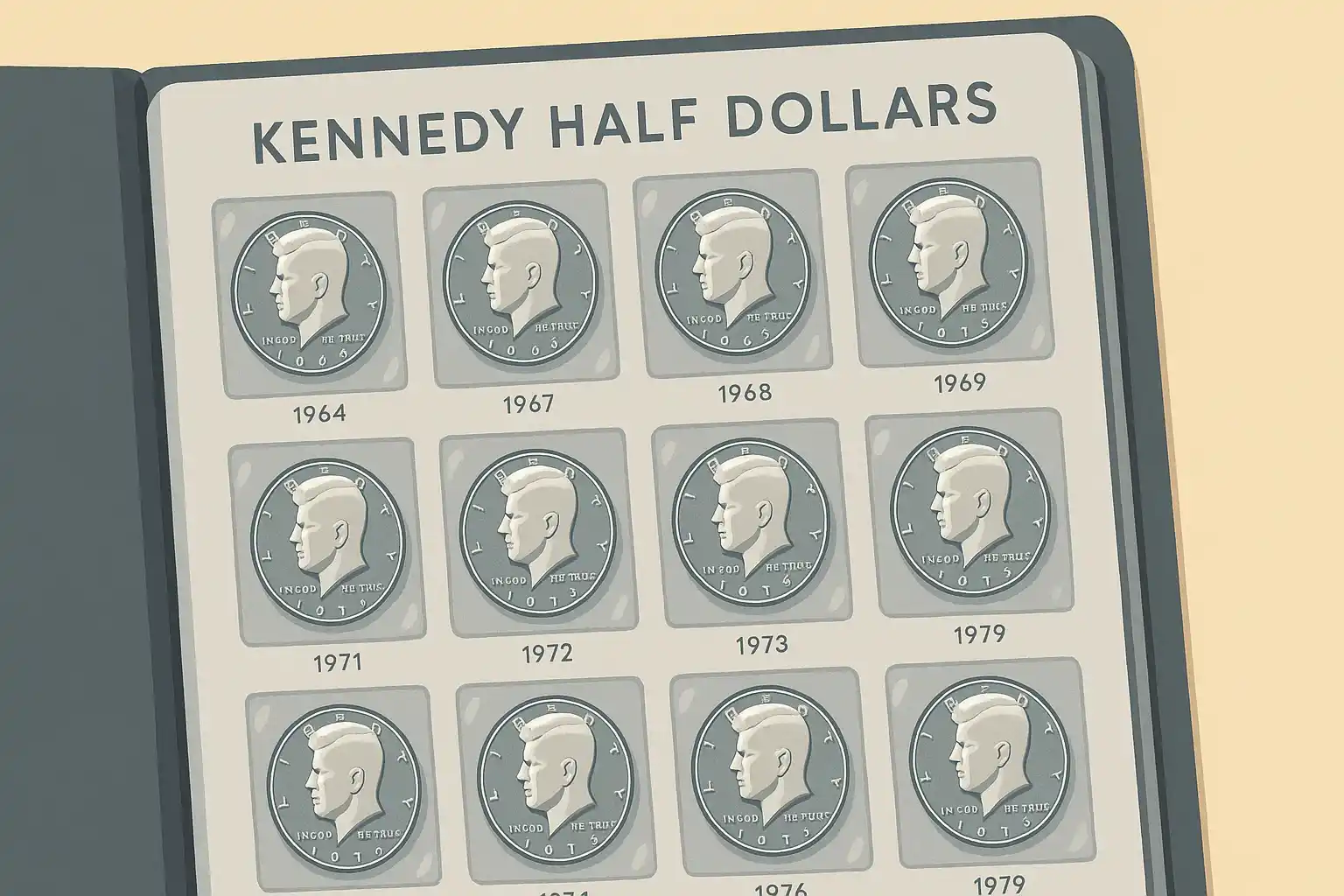
Coin collecting blends passion, history, and investment logic. The market around it moves in cycles shaped by supply, collector sentiment, economic shifts, and long-term demand patterns.
Buyers who learn to read these cycles gain opportunities to acquire strong pieces at more favorable prices. Instead of chasing hype, a well-timed purchase strategy with long-term planning and usage of a coin scanner brings stability and long-term growth to a collection.
How Numismatic Market Cycles Form
Just like broader financial markets, the coin market flows through repeating stages. Prices rise, stall, correct, and then settle into accumulation zones before climbing again. These changes appear gradually, influenced by dealer inventories, auction trends, and shifting interest in specific historical periods or minting eras. Coins with stable demand—such as early U.S. silver, key-date cents, or classic commemoratives—tend to follow cleaner cycles, but nearly all segments show identifiable patterns.
Understanding these movements helps collectors avoid buying at emotional peaks and instead focus on moments when sellers discount inventory. Many experienced collectors view timing as part of the skillset. Instead of reacting to short-term spikes, they watch the cycle and buy during quieter phases.
Recognizing Accumulation Phases
The accumulation phase often follows a correction. Prices fall from earlier highs and stabilize. Sellers become more flexible, and dealer inventories grow. Instead of aggressive bidding, collectors take a quieter, selective approach. This is an ideal environment to buy:
- Prices stay steady instead of climbing.
- Competition softens, creating stronger negotiating leverage.
- Dealers focus more on turnover than on squeezing premiums.
During accumulation, the best targets include high-grade coins with long-term demand, coins with clear rarity, and varieties that historically appreciate once the next bullish phase begins.
Plateau Periods: Hidden Buying Windows
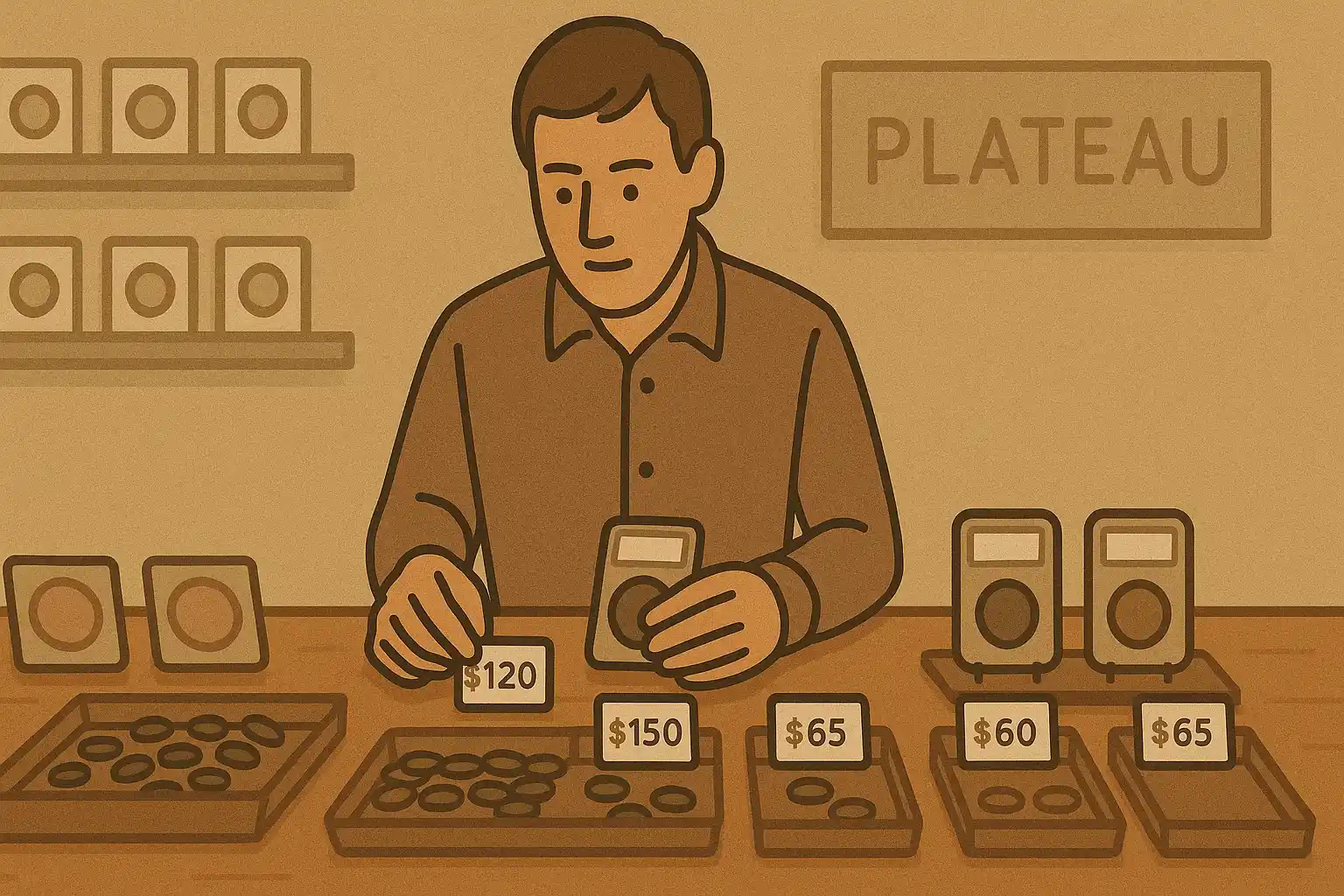
A plateau looks flat on price charts. Demand pauses but doesn’t collapse. Dealers begin adjusting prices to move stagnant stock. These brief windows are often overlooked because the market feels quiet; however, this stability works in the buyer’s favor.
Plateaus create several advantages:
- Discounts appear on slow-moving inventory.
- Premium coins listed at high prices during previous phases return to realistic levels.
- The market feels calm, allowing careful research without pressure.
Collectors watching auction results during plateaus can spot early signals of tightening supply. When bids begin increasing again, the next cycle often starts.
Using Bullish Trends, Seasonal Patterns, and Economic Signals to Buy Smart
Once accumulation and plateau stages are clear, the next step is recognizing moments when demand strengthens. Market momentum can raise prices quickly, but well-planned purchases inside these phases still offer value when approached strategically. Understanding timing within bullish waves, seasonal shifts, and macro-economic influences helps collectors make confident, informed decisions.

Entering Bullish Phases With Strategy
A bullish phase begins when interest rises noticeably after a long period of calm. Auction results tighten, dealers report faster turnover, and certain series trend upward together. Prices do climb, yet there are still opportunities to buy smart—just not impulsively.
Useful tactics during bullish periods:
- Focus on undervalued series that haven’t yet caught up to the trend.
- Prioritize coins with strong historical demand, avoiding items driven solely by hype.
- Look for attractive examples in mid-level grades (check through a coin value app for assurance), where price jumps are slower and competition softer.
Inflation, geopolitical instability, or increased interest in tangible assets often accelerates these phases. Collectors aiming to buy during momentum should stick to coins with long-term track records instead of chasing speculative spikes.
Seasonal Trends That Affect Pricing
Coin markets also move through predictable seasonal rhythms. These patterns are subtle but visible enough for buyers to use them effectively.
Key seasonal opportunities include:
- Year-end periods, when collectors sell to rebalance budgets or fund holidays, creating short-term inventory surges.
- Spring and early summer, when large shows increase supply and create negotiation room.
- Historical anniversaries, which often boost attention toward certain series. A major milestone can push prices temporarily, allowing buyers to act before or after the spike with better value.
Timing purchases around these patterns helps collectors avoid crowded, overpriced months and take advantage of quieter stretches.
Economic Indicators That Influence Coin Prices
Coins exist inside a broader financial ecosystem. When macro conditions shift, the market reacts. Following economic signals improves timing and reduces risk.
Important indicators include:
- Interest rates: Lower rates push investors toward tangible assets, strengthening demand for rarities.
- GDP trends and consumer confidence: Slowdowns often increase supply as people sell collections for liquidity.
- Commodity markets: When gold and silver move sharply, attention spreads to numismatic pieces with precious-metal content.
- Collector sentiment: Forum discussions, trade show activity, and auction chatter reveal early mood shifts.
Using these indicators, collectors can anticipate demand waves rather than reacting to them late.
Digital Tools for Faster Market Scanning
Modern collecting benefits from technology. A coin identifier app allows users to verify coins quickly via photo identification. The app displays:
- Years of minting
- Composition
- Diameter, weight, and edge type
- Price data and catalog information
Its database of more than 187,000 coins simplifies research, especially when evaluating auction targets or scanning new purchases. Smart filters and the AI Coin Helper in the freemium version assist in sorting series and identifying potential value areas before bidding.
Practical Timing Methods and Long-Term Strategies for Smart Coin Buying
Understanding market cycles is useful, but collectors gain real advantages when that knowledge turns into repeatable habits. Strong timing is not about guessing tops or bottoms. Instead, it relies on discipline, consistent research, and recognizing signals that show value pockets across different segments of the market. This final section outlines practical routines and long-term approaches that help collectors buy wisely during all phases.
Quarterly Price Guide Reviews
Market shifts appear gradually. Reviewing price guides every few months highlights growing demand, weakening segments, and changing premiums for key dates. A steady review rhythm keeps collectors updated and prevents overpaying during silent uptrends.
Focus areas during each review:
- Rising interest in certain denominations
- Softening premiums on modern issues
- Hidden opportunities in mid-grade key dates
- Shifts in auction hammer prices for popular varieties
Tracking these changes helps collectors approach shows and online listings with clear expectations.
Using Lulls and Slow Periods to Your Advantage
Coin shows and online marketplaces experience natural slowdowns. These quiet stretches often lead to price flexibility, making them ideal buying periods.
Opportunities during lulls include:
- Dealers offering discounts to move stagnant inventory
- Easier negotiation for high-quality examples
- Lower bidding competition on timed auctions
Slow periods reward patient collectors who avoid chasing peak excitement.
Targeting Emerging Trends Before the Crowd
New interest waves appear regularly. Ancient coins, modern mint errors, early copper, or commemorative series move in and out of favor. Buyers who spot early signals can secure pieces before attention surges.
Early indicators of an emerging trend:
- Increased discussion on collector forums
- Shorter inventory cycles on dealer sites
- More frequent catalog coverage
- New research publications boosting awareness
Acting during early stages prevents paying inflated premiums later.
Diversifying Across Multiple Cycles
Healthy collections span different eras, metals, and price tiers. When one segment cools, another may rise. Diversification not only reduces risk but also creates regular buying windows as cycles shift independently.
Elements of balanced diversification:
- Combine modern and classic series
- Mix gold, silver, copper, and nickel issues
- Include both circulated and certified examples
- Spread purchases across lower-cost and premium categories
Holding through corrections strengthens long-term growth by giving each segment time to recover and appreciate.
Building a Cycle-Based Buying Routine
Strong buyers follow a structured approach rather than reacting emotionally to short-term spikes. A practical routine looks like this:
- Monitor price guides and auction results monthly.
- Identify accumulation zones where prices stabilize.
- Build a list of targets for upcoming plateau periods.
- Use seasonal dips to negotiate better deals.
- Enter bullish phases selectively by focusing on undervalued groups.
- Hold long term through corrections to capture future upside.
This cycle-based method smooths volatility and increases overall acquisition quality.
Buying at the Right Time Brings Real Advantages
Coin markets move continually, shaped by history, global trends, and collector behavior. Buyers who study cycles, follow economic signals, and act during quieter phases consistently secure better value. With disciplined timing, selective purchasing, and careful market observation, each acquisition becomes a smart investment rather than an impulse. Understanding cycles puts collectors in control, helping them build stronger, more resilient collections that grow with each market turn.